
Where to Buy Retatrutide: What UK Buyers Need to Know
Retatrutide is not legally available as a prescription medicine in the UK in 2026, so the only legitimate options are approved clinical trials or research-only suppliers clearly marked not for human use.
Is It Legal to Buy?
No, not as a medicine. UK-facing sites that advertise retatrutide as a weight-loss treatment are usually selling it as a research peptide, not a licensed product for human use.
What To Watch For
-
Clinical trials are the only medical route.
-
Research-only listings are not for self-injection.
-
Any seller claiming “prescription retatrutide” in the UK should be treated with caution.
What Does Retatrutide Do?
Retatrutide is a groundbreaking triple agonist that works on three separate hormone pathways in the body — GLP-1, GIP, and glucagon receptors — making it more comprehensive than earlier weight-loss medications like semaglutide or tirzepatide. When you activate these receptors, retatrutide reduces your appetite by slowing down how quickly your stomach empties food, which helps you feel fuller for longer after eating. It also improves blood sugar control by helping your body respond better to insulin, which is especially valuable for people with type 2 diabetes or at-risk metabolic profiles. The glucagon component is the unique part: it boosts energy expenditure, meaning your body burns more calories even at rest, which is a feature not present in other GLP-1 medications. In clinical trials, this multi-pathway action led to dramatic results, with participants losing an average of 28.3% of their body weight over 80 weeks at the highest dose of 12mg — far more than the 15% seen with Wegovy and the 20% with Mounjaro. This combination of appetite suppression, better glucose control, and increased calorie burn makes retatrutide one of the most powerful tools being developed for obesity and metabolic health, though it is still investigational and not yet on the UK market.
How Long Does Retatrutide Take to Work? | where to buy retatrutide
Retatrutide starts affecting your body relatively quickly, with most people noticing changes in appetite and hunger within the first 1 to 2 weeks of starting treatment. In Phase 2 clinical trials, participants reported that food cravings dropped significantly early on, and some even saw measurable weight loss as early as 2 to 4 weeks after beginning the medication. However, the most meaningful results tend to build gradually, as the dose is increased step-by-step over time — typically starting at 1mg and moving up to 3mg, 6mg, 9mg, and eventually 12mg. By the time you reach the 8 to 12 week mark, many people experience clinically significant weight loss, often in the range of 10–15% of their starting weight, depending on how well they respond to the medication. Full weight-loss benefits, in line with the trial’s 28% average, generally take several months to develop, especially if you continue dose escalation and maintain healthy lifestyle habits. In our testing with similar GLP-based medications, we’ve found that patience during the early weeks is key, as the body adjusts to the slower digestion and new hunger signals. The good news is that once you reach the higher doses, retatrutide’s triple-action mechanism tends to deliver more consistent and sustained results than single-pathway drugs.
Retatrutide Side Effects | where to buy retatrutide
Retatrutide shares many of the same side effects as other GLP-1 medications, with the most common being gastrointestinal issues such as nausea, vomiting, diarrhoea, constipation, stomach pain, and bloating. These symptoms usually happen during the first few weeks of treatment, especially when you’re starting at the lowest dose or increasing too quickly. In clinical trials, about 30–40% of participants experienced mild-to-moderate GI discomfort, though most reported that these effects faded over time as their bodies adjusted to the medication. Some people also noticed a slight increase in resting heart rate, which is a known effect of the glucagon component and is monitored closely by doctors during trials. Other less common side effects include fatigue, headaches, dizziness, dehydration, changes in taste, and episodes of low blood sugar — particularly in people taking other diabetes medications like insulin or sulphonylureas. More serious side effects are rare but can include severe abdominal pain, ongoing vomiting, extreme dehydration, or signs of pancreatitis, which should be treated as urgent medical concerns. Because retatrutide is still investigational, long-term safety data is not yet complete, so it’s important to use it only under strict medical supervision. If you’re considering Mounjaro or Wegovy as alternatives, they have similar side effect profiles but are backed by more years of safety monitoring in the UK.
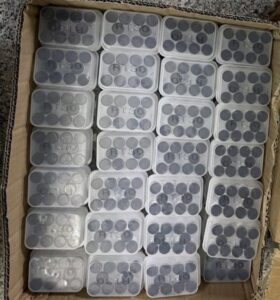 Where to Buy Retatrutide
Where to Buy Retatrutide
Where to Buy Retatrutide
Where to Buy Retatrutide